
Presvytera Melanie DiStefano: Welcome to Family Matters: Fully Human Edition. I’m Presvytera Melanie DiStefano, the resource developer at the Greek Orthodox Archdiocese Center for Family Care.
Today I’m blessed to be speaking with a fellow presvytera and sister in Christ, Presvytera Eleni Stavropoulos. Presvytera Eleni Madonis Stavropoulos grew up in the parish of Holy Trinity-St. Nicholas in Cincinnati, Ohio. She taught Sunday school, served as choir director and Panegyri dance chairman, participated in the Young Adult League. In 1987, Eleni married her husband, the now Fr. John Stavropoulos, and has been a presvytera for 33 years. They have two children: Costa, who is 26 years old, and Chryssoula, who is 22. When Chryssoula was 11, she was diagnosed with autism, and so the family’s special needs journey began.
Pres. Eleni studied and graduated from the College Conservatory of Music at the University of Cincinnati, receiving a bachelor’s degree in music and music education. She taught music for ten years in public school settings. She also served for five summers as a staff member at the Ionian Village as a member of the music, Greek culture, and office staff. Serving in various ministries through the years as a presvytera, she most recently created the St. Matrona Miracles of God Ministry at the Annunciation Cathedral in Columbus, Ohio, in 2013. She loves to travel, the theater, doing arts and crafts, meeting new people, and loves all things Disney. Welcome, Presvytera Eleni!
Presvytera Eleni Stavropoulos: Thank you, Presvytera Melanie. It’s nice to talk to you.
Presv. Melanie: Thank you. So you shared that your special needs journey began in 2010 when Chryssoula was 11 years old and diagnosed with autism. What were some of the memories of the beginning of that journey?
Presv. Eleni: Well, because Chryssoula is 22 years old, in the early days the diagnosis kept jumping from persuasive, lack of communication, to I don’t even know the number of different diagnoses we had for her. In 2010, we went to the Nisonger Clinic here in Columbus, and that’s where the diagnosis of autism came. But up until that point, we thought she was deaf, we thought… Like I said, we had so many diagnoses that we didn’t know which direction to go.
Presv. Melanie: When you did find out that diagnosis, did resources open up to you for Chryssoula that maybe prior to that time you didn’t have before?
Presv. Eleni: Well, because of the fact that they told us that she had a problem with communication and speaking, we were doing speech therapy, but we weren’t sure which direction… I chalked it up to the fact that she is the second child, and being a Greek mama, my son got a cookie, she got a cookie. She didn’t have to ask for a whole lot of things. That’s the way it was at church, too: people were just giving her things. She didn’t really have to communicate, so that’s what we thought it was, until she went to preschool, and then people were saying other things. So finally, once the diagnosis came through, we were able to go to full-time speech therapy, physical therapy. She did equine therapy: riding horses. All kinds of wonderful things.
But still to this day she is speech delayed. Her communication skills are not as good as they should be, obviously, and we’re still working, and we have some amazing therapists here in Columbus that have just helped her detox and things like that. I know many people think whatever they think autism comes from. We know that when Chryssoula got her shot when she was two years old, we sort of lost a lot of communication and she had a lot of toxicity in her brain, but, praise be to God, we do have a great therapist that is detoxing her, and hopefully soon… She gets up and reads at church. She does all kinds of things, dances… God is great. He will cure her the way he wants to cure her, or get her so she has her life so she can take care of herself.
Presv. Melanie: God is great, and you know it’s true, often parents, what we want for our children may not line up for the plan God has in store for them. So there are waves of being able to accept that and to feel at peace with the journey God is laying out, and doing our best to provide everything we can in the way of therapies, as you mentioned, and medical treatments, to help them reach the potential that they can, given that we live in a fallen world.
Presv. Eleni: Absolutely.
Presv. Melanie: So I’m wondering, as far as support from family, clergy, did you feel social, emotional support yourself as a caregiver, as a family? Did you feel that there are resources and a support network for you with the wider church community?
Presv. Eleni: At the beginning, no. Many people didn’t understand it because of the kind of person Chryssoula is, people just kind of said she’s just happy to be here. She was a happy kid, running around like any other kid, but just wasn’t talking. So nobody really came forth to say anything. We didn’t know what we were doing. But as the years have gone by, speaking with various parishioners or various doctors within the communities that we’ve served, things have come to light, and we’ve gotten financial support from the National Philoptochos giving her a listening and hearing program to be able to activate her senses and activities called the Tomatis system. She started that, I would say, about ten years ago and still is doing it to this day, and it helps her immensely. We’ve gotten from other parishes, again, financial support to get her the equine therapy. She couldn’t ride a bike until she rode a horse, and now she rides a bike, which is amazing!
Presv. Melanie: That is awesome, yeah.
Presv. Eleni: [Laughter] So those kinds of things have been great. My family, unfortunately my parents and Father’s parents are no longer on this earth; they are praying for us on the other side, as we say, and helping us that way. But brothers, sisters have been there to support and just try and help us through.
The church community, like I said, people come up with things and they say things, and you just investigate and see if it helps!
Presv. Melanie: Right, go down a road and see if that road is the one that will help, exactly.
Presv. Eleni: Absolutely, absolutely.
Presv. Melanie: So I’m just wondering, as a clergy family, were there any challenges you faced that you think are unique to being a clergy family that has a family member with special needs, or not? I don’t know, has it posed any challenges?
Presv. Eleni: A couple of the challenges were the fact that people didn’t quite understand what we were dealing with. Again, like I said, everybody saw her and thought she looked normal, but just wouldn’t speak. She was involved in everything that we were involved in. She loves to Greek dance, and unfortunately one of the parishes we were at—God bless her—this yiayia came out and said to one of the kids, “Don’t touch Chryssoula, because you could catch it.” But, on a bright note, what ended up happening was she finally understood and came around and asked for forgiveness for saying that, but also, again, financially supporting Chryssoula’s therapies, which has been amazing.
Presv. Melanie: Wow. That’s a beautiful story of repentance and somebody opening their mind to see things in a clearer way. Unfortunately there are misconceptions about special needs, and people, when we don’t understand something, we can make up all kinds of reasons in our minds for what it might be. So that’s one of the reasons we want to talk to families, so that there’s more understanding about the different issues that our children face and that people will not be confused about them.
Presv. Eleni: Correct.
Presv. Melanie: So tell us a little bit about the St. Matrona Miracles of God Ministry. What made you form the group? Whom does it serve?
Presv. Eleni: Well, again, going back to that story about our sweet yiayia that didn’t understand, that became my goal with whatever parish we were in, to make people understand and accept. When we arrived in Columbus in 2012, this has been a couple of times since we’ve been in Columbus, so we know these people, and looking around I saw people that had babies at the same time that Chryssoula was a baby, because she was born here in Columbus, and some of them I could tell had special needs. But you have to be very gentle and careful not to walk up and say, “Hey, your child has what?” So what I did was I talked around, and it took me almost a year to figure out which people we could actually talk to and say, “What do you think about creating something to help those with handicaps and those with disabilities?”
So there was a search committee, like most things. I think there were six of us that got together, and we started talking, and one of the things that was brought out was that a lot of people have left the Church because they have a special needs child and there was nothing for them. So we started researching, and our first few meetings that we had, people just came together just to see what it was. Some people didn’t even have special needs. We had elderly in wheelchairs that showed up, we had people with various disabilities, we had autistic kids, we had various ranges of people that showed up, and that’s how it began.
Presv. Melanie: Wow. That’s wonderful. And how did you choose St. Matrona as your patron saint?
Presv. Eleni: Well, that one took almost a year. We came up with so many different names! And one of our administrators to our Facebook page, Eric Russell, had read the story of St. Matrona, and the way we would get together, there would be just a sit and talk time, and so we would bring in these names, and finally when St. Matrona came up—she was disabled; she was blind, she was caring for people, and that’s how she was chosen as our patron.
Presv. Melanie: She has a really inspiring story. I would encourage anyone to read more about her.
Presv. Eleni: Yes.
Presv. Melanie: I’m wondering just what does a typical meeting or a gathering look like for St. Matrona Miracles of God?
Presv. Eleni: Well, obviously right now we’re COVID-stuck, but that’s okay. Normally what would happen is once a month we would gather together in the chapel. There would be a prayer service. Most of the time it would be Fr. John that would be our chaplain that would come in. Fr. Demetrios and Fr. Christopher and Fr. Dean who had been here in the past used to come in when they were not busy, and we would do a prayer service together. And then there would be anointing with the oil of St. Matrona. If our priests couldn’t be there, then we taught the children to anoint their parents, and it would be very interesting that many times even on holy unction service, the St. Matrona kids would be the ones that would come forward and put their hands out and be ready to be anointed and know what to do, so very proud of them.
One of the original premises to our group was to make services safe and understandable. So at the beginning, when it came time for Communion, instead of— Most of the time we have three priests giving out Communion—instead of the Matrona kids coming straight down the middle, they would sneak down the sides and just wait there until they wouldn’t be in the crowd, to be able to receive Communion. Obviously now with COVID, there is a big space, so no one has any issues, and the kids still come and they receive Communion.
But anyway, so after that, after our prayer service and anointing, we would go up to a classroom and have snacks. Then one of the parents would be responsible for a craft of some kind, and then we would start talking. Subjects… Actually, the most interesting one was when we had each family go around and say, “This is my child, Chryssoula. She’s autistic.” And then I would say, “She isn’t afraid of anyone. Don’t worry; if you need a hug, she’ll give it to you.” Now, other children, the parents would say, “When this child becomes agitated, we will say to you: Step away,” and that has happened, “so that she doesn’t have a melt-down and hurt anybody.” But we also made it handicap-accessible, because we do have a child with spina bifida that comes, so Symeon comes in and we make sure that he can get up to the classroom wherever we are, or into the chapel. Everything is pretty much handicap-accessible. But that’s pretty much a typical monthly meeting.
But then we would also gather once a month to go someplace. We’d go bowling; we went to sensory-friendly movies; we went to children’s theater; we went to art classes. There’s a harvest festival that is just for autistic kids; we would go there. We would do the Autism Walk in the city of Columbus. We’ve done many, many things.
Presv. Melanie: Wow. It sounds like it. You know, as you’re listing the different activities, it’s occurring to me, not only have you provided a liturgical support, you’re addressing the needs of families in every day—social, familial, even just to educationally learning what triggers somebody and how to act with each particular issue that people have. So it’s really beautiful, and I love the idea of just the activities and the fun that you’re having together as a family.
Presv. Eleni: Correct, and what’s interesting is watching the little ones go to the older ones. We have, I believe, four young adults that are over 22 that are in the group, Chryssoula being the youngest of the young adults, but then we have little ones. What they do is they become like little brothers and sisters to the older ones. There’s one family in particular that every time, if one of our older girls, Anna, is there, Anna gets the little boy sitting in her lap! [Laughter] He can’t be without being next to Anna. It’s so much fun. So they form sort of a little family amongst themselves, which is really wonderful.
On sort of a sad note, just recently one of our mothers passed away, leaving her older son with no one, and St. Matrona group stepped up, and we helped make sure that the lady was buried and getting him help, but not only from that. What we did is we had a Zoom with an estate lawyer to talk to the families of St. Matrona on what do we prepare for our children and how do we get guardianship or power of attorney, whatever it is, so that if something like that would happen, everything is in place. So we do those kinds of things also, and we’ve also sponsored a homeless meal, too. We step up and try to be within the greater community of Columbus to do and be active and be visible.
Presv. Melanie: And give back. I mean, what a beautiful thing. So not only are the needs being met, but that’s just an example of how when a group of human beings are receiving what they need, it naturally outflows to other people, and then care can be given from the care that has been received. That’s a beautiful example.
I’m wondering if there have been any challenges in your walk. I guess if you could just share maybe a blessing and a challenge with the wider community? Have you seen things with the wider community as a result of forming St. Matrona?
Presv. Eleni: Well, the wonderful thing is this community here, the Annunciation in Columbus, whenever our group, St. Matrona, has needs, we’ll do a bake sale, because we don’t want to just take from the church and not give back. So whenever we have a bake sale, it’s the most amazing thing. First off, we’re a fairly good-sized group, but being from an autistic family, there’s a lot on our plate, so to say, “Could you bake for a bake sale?” most of the time they try and do what they can, but what happens is we set out the table for the bake sale and other parishioners fill the table for us.
In fact, one year there was leftover tsoureki from the festival, and I’m not talking two loaves: we had 25 boxes! And we sold it all, and the money went to St. Matrona, and that helps to pay for these activities we go to, so it’s not a burden on anybody’s family. But when they come to the table to buy a cookie—because most of our parishioners will just buy a cookie or a cupcake—we’ll have it marked for a dollar or whatever you mark it for, and they’ll give us a $20 bill and just say, “Keep the change.” So they are amazing.
But also, I have to give thanks to His Eminence, Metropolitan Savas, because he checks in on our group all the time, whether he’s here in Columbus or he looks on our Facebook page to see what we’re doing and how we’re supporting the community. He’s always one of the first ones to ask what’s going on with our group, so we thank him so much for his love and support.
Presv. Melanie: Thank you, Your Eminence! He definitely has a heart for looking out for those with special needs.
Presv. Eleni: Absolutely.
Presv. Melanie: So just to end, what advice would you give to other communities who wish to form a similar group? What steps might they take?
Presv. Eleni: First off, reach out. Everyone that I have ever met through the church, of special needs, as we’re saying, special needs, from you, Presvytera Melania, to Presv. Toni Mihalopoulos in Chicago, everybody’s willing to share. So reach out to those of us that have started. We’re willing to tell you and talk. But what I have found is that we just need to talk and see what the people in our community need. The people here in Columbus, they need fun activities; they need a lot of the spiritual. We do a life skills class once a month where originally we started with two special needs teachers from the schools, but they started a family and they couldn’t commit, so I took over. And we’ve talked about prayer and what are the things in the church. The children have made various things like censers and crosses and gospel covers, so that not only they learn but their families learn what are we looking at every Sunday. So you have to see what the needs are within your own parish and how much people are willing—because some people are not willing—to share, but others are. You just keep it moving forward and just the best thing is to talk, to keep talking to people.
Presv. Melanie: Keep the communication going?
Presv. Eleni: Mm-hmm. That’s where you start, and make a list of things that are important. Some of the things that we listed way back when, we haven’t fulfilled yet. We would like to get automatic doors for the church. I don’t know if that’ll happen, but someday, we hope. We were planning to do our own autism walk and get sponsors. Obviously, COVID hit and we didn’t get to do that, but hopefully it will happen soon, and we’ll just walk in the park near the church and do it as a family. But in that sense, the other organizations—GOYA, Sigma from OSU, Philoptochos, the choir—they have all stepped forward to say, “We’ll help with whatever you need.” So it’s amazing.
Presv. Melanie: So just reaching out to the other organizations, communicating, and see who’s willing to help, and keep going from there.
Presv. Eleni: Absolutely.
Presv. Melanie: Thank you so much, Prez Eleni. It’s been a joy and inspiring to hear your story. We just thank you for being with us. God bless your family.
Presv. Eleni: Thank you, and God bless everyone out there. Just remember the special needs.
Presv. Melanie: Amen.
 Pres. Kerry Pappas
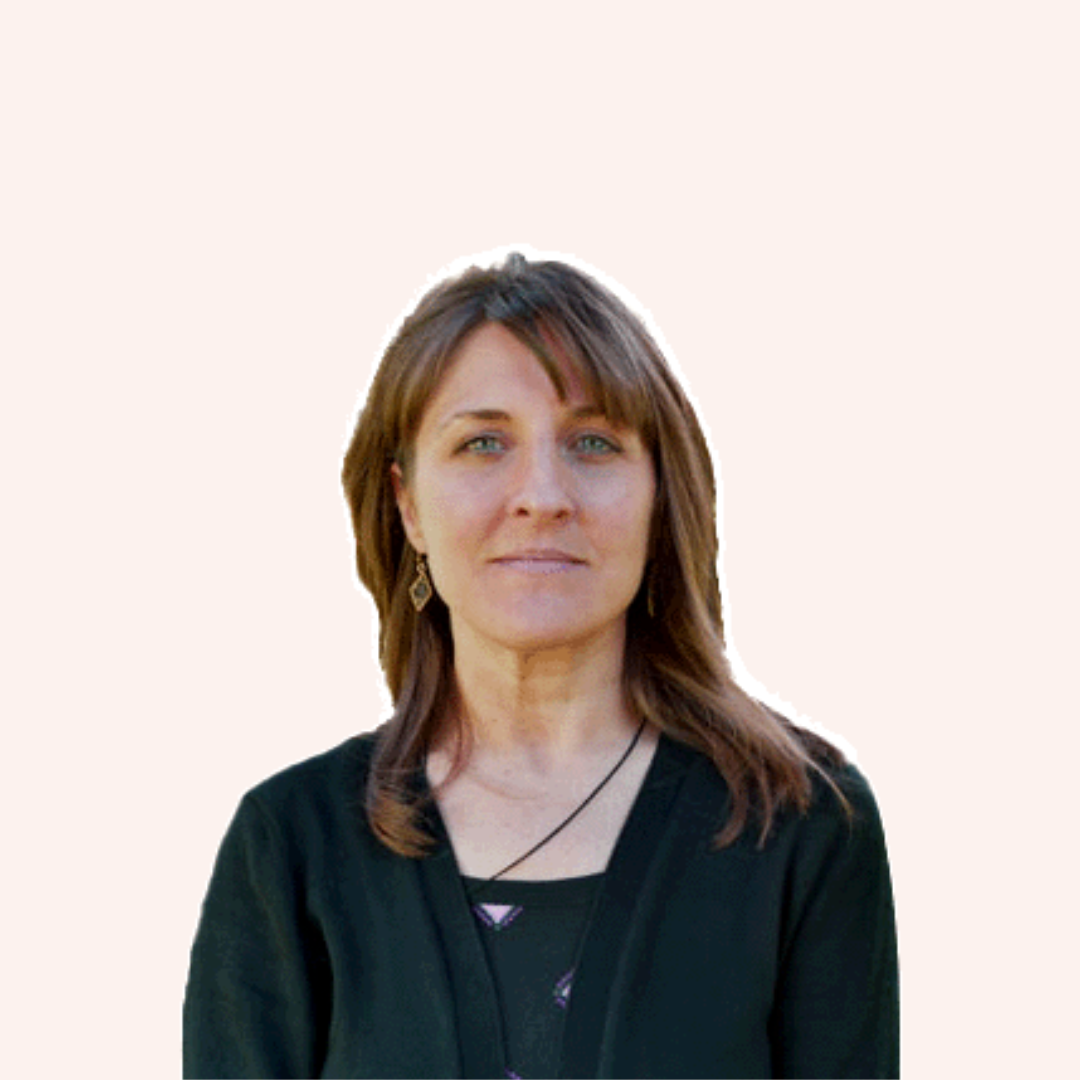 Pres. Melanie DiStefano