On January 17, the holy Orthodox Church honors the memory of an emperor, one named Theodosius, who, in the year 500, the Church thought enough of to give the title the Great. This doesn’t happen often with emperors or other political personages, but in Theodosius’s case, it was well deserved.
He was born in Spain and acceded to the throne from the year 379-395. He was always a very wise man, even from his youth, and he was very strong in his Orthodox Christianity, hoping to bolster the Church’s image among his populace that he governed—except for one thing: he had a bit of a temper, and this temper even allowed barbarians at one time to go through the populace like a hot knife through butter. He allowed this to happen in order to teach them a lesson, and there were some other instances as well, where one might question the wisdom of what he did.
In fact, this became so noted that, at one point, while in Milan, he was refused entry into the church by no less a personage than St. Ambrose of Milan, who actually imposed a canon upon him. Well, Theodosius accepted the canon, and from that point forward he enacted a law that said that anyone condemned to death would have 30 days so that leniency could be provided or perhaps that they would even be pardoned. This didn’t exist before.
Theodosius lived in a time when there were a lot of things going on in the Church, and in the year 380, he convened the Second Council of Constantinople after he had been done condemning the Arians who were still hanging around after the First Council, and in fact he had replaced the Arian patriarch with no less a person than St. Gregory the Theologian. But during the Second Council, which of course debated the divinity of the Holy Spirit, there were many, many great Fathers of the Church who gathered together in order to make these decisions. Also around the year 380, Theodosius himself proclaimed that the Orthodox Church was the true faith, and did this to all of the people that he governed.
He was, after these initial problems and corrections by St. Ambrose and some others, too, someone who was profound in his repentance, was dedicated to the uplifting of the people who were under him, and especially of the holy Orthodox Church, which he felt was so strong in his blood now that there could be no reason for him ever to deny it. In fact, he said later in his life that it was a far greater honor for him to be considered a Christian than it was for him to ever have been elected emperor.
This is a man whom the chronicles point to—actually, many different sources, from St. John Chrysostom to some of the later Desert Fathers—that talk about all of the wonderful things that he did for the Church and all the things that he had repented of. So actually during his time, during his life on earth, he became a model of repentance. This was something that was very important for all of the lay people around him, for if an emperor, with all of his duties and with all the complex problems and decisions that he had to deal with, could indeed embrace repentance to such a great extent, then there was no reason why the laity could not do this, too.
And indeed his influence lasted for many, many years after that. We know that the Second Ecumenical Council of Constantinople completed the Creed, defeated the heretics who were the pneumatikoi, who were fighting against the Holy Spirit, and still tried to put a death-knell to Arianism—but we know Arianism was not going to die easily; it would hang around for a number of years in a very serious form. In fact, it’s still hanging around today, if truth be told. But because of Theodosius and his efforts and striving for Church unity and purity of faith, the early Church in the fourth century got a great boost of confidence and was able to move forward in a very strong manner.
Would that all emperors, presidents, governors, mayors—you name it—showed the same type of empathy toward the faith of Jesus Christ that Theodosius did. It would be a far better place today if they did so. But in the meantime, we could just invoke his memory, offer our prayers to him for all of those who govern us, and pray that by his holy efforts with the Lord that we all might become better people, better citizens, and especially better Christians.
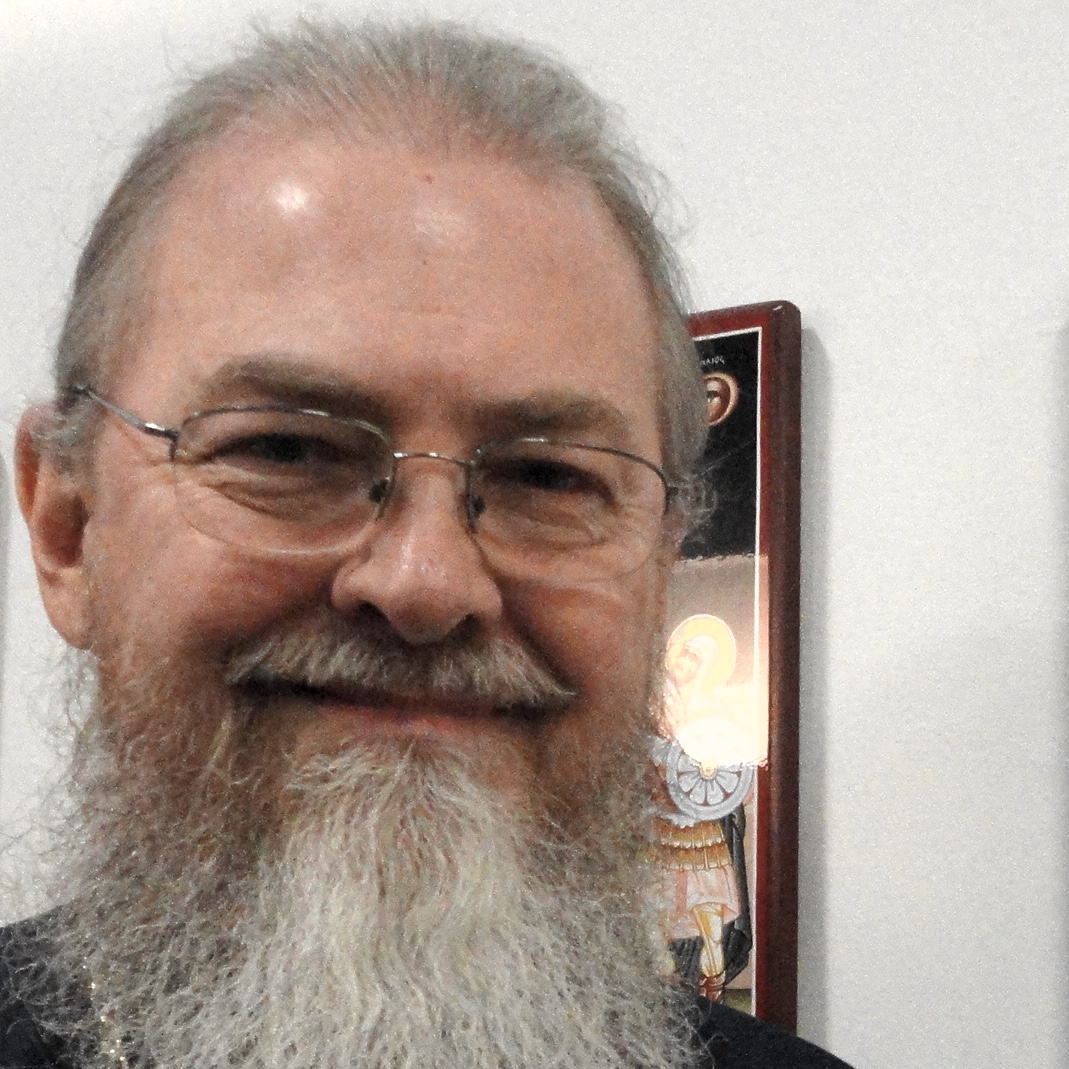 Fr. Steven Ritter