
The region of Gaul, of France today mostly, was very notable in its time for producing all sorts of ascetic saints that were very close in nature to the ancient Desert Fathers of the Church. One of these, a recluse who actually lived in a tower, was named Hospicius. Hospicius was near the town of Nice. At the time this area was being threatened by the Longobards, also known as the Lombards, although not to be confused with the Lombards of Italy, who were pillaging and invading the area. They eventually took over most all of Italy, and this was I guess perhaps for the entire eighth century.
Hospicius began to warn the people of the area that these Longobards were coming, and he said that they needed to depart; they needed to go hide themselves and do it very, very quickly, because they were almost at the gate. Some of the people believed him; some did not. Those who did ended up being saved from this pillage, while those who did not believe him suffered the consequences. With Hospicius himself being a recluse for a very long time, [he] wore a heavy metal chain around his body, and covered it with a hair shirt. When the Longobards finally got there and heard about this man, Hospicius showed himself through the window of the tower.
They tried to get to him, but they really were having trouble. Eventually they were able to climb up the outside of the tower and made their way inside and were shocked to see what they found. For this man in chains and a hair shirt, they believed he must be some sort of horrid criminal. Hospicius actually agreed with them! He confessed to murder and any other horrible crime that he could think of in front of these men. One of the men was so appalled by this that he drew his sword and was about to strike off the head of the saint, when his arm froze in its place and actually fell off his body to the ground. Hospicius, upon seeing this, prayed for the man and healed him, and his arm was restored. Not surprisingly, he gained a new convert that day, from the man who was trying to kill him.
Many of the others in the area, too, encountered Hospicius and were astounded by the supposed powers of this man that was once thought a criminal. One of the people in the area had become deaf and dumb through a fever, an infection of some sort, and was begged by the surrounding townspeople to inquire of a deacon to see whether the deacon would take him to Rome where he could pray in front of the relics of the holy apostles Peter and Paul and even St. Laurence the Deacon. On their way, they passed this tower where Hospicius was, and Hospicius inquired as to where they were going and what they were doing. He was told that they were heading to Rome and about the poor shape that this man was in. So they brought him up partially on the tower. Hospicius actually reached out the window and grabbed this man by his hair and pulled him through. He then took his tongue in one hand and poured oil down his throat, and then oil all over the top of his head. Not long after this, the man was able to regain both his speech and his hearing and again became a devoted disciple of St. Hospicius.
He also worked many other miracles for the people in that area, and finally predicted that in three days he would be dead. He told the townspeople to gather crowbars and come for the local bishop to be able to break into the tower and bury him. At the time when he went in, they found that Hospicius was covered with worms because of the chains that he was wearing, and they asked the man, “How can you bear to suffer so much?” and Hospicius said, “For him who suffered for me, it is no pain at all.” And after the three days, he did repose, and immediately the worms dissipated, and they buried this man in all honor that he deserved.
We often think of these astonishing lives of the saints that were either in the desert or recluses of some kind as Hospicius was, and they seem to go unnoticed often except for the people in the area who kept their memory alive. Such was the case of this man, Hospicius of Nice, who was every bit the equal to the greatest of all recluses anywhere at any time, who cared for his country, who cared for the people around him, and most of all cared for the individual that came to him, upon whom he recognized the absolute image of our Lord Jesus Christ.
Let’s always remember the many saints of the world in Orthodoxy whom we may perhaps not be aware of but who are no less powerful in their assimilation of the grace of our Lord Jesus Christ.
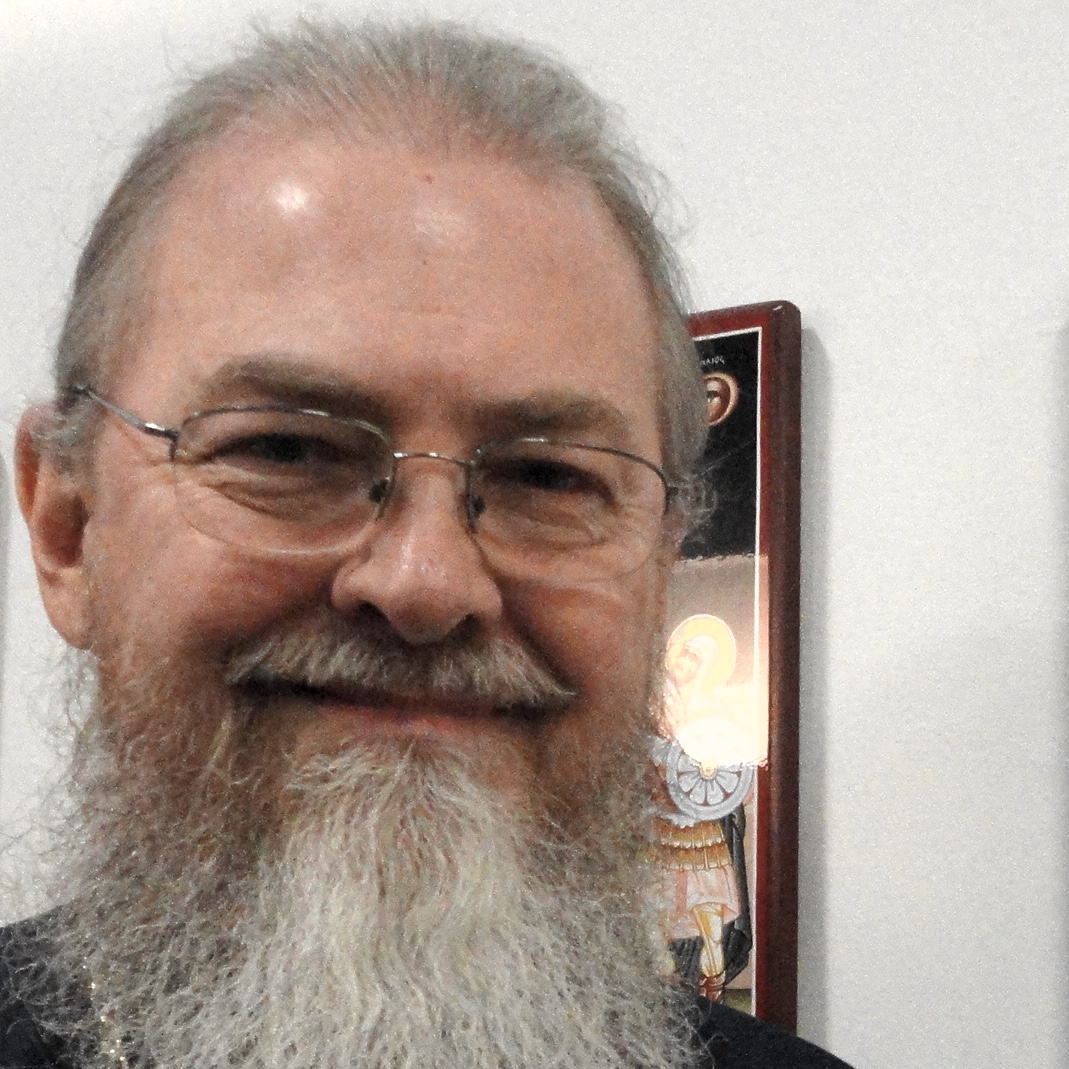 Fr. Steven Ritter