Today in the society that we live in, we often take for granted the fact that we are free, for the most part, to practice our holy Orthodox faith, to worship as we see fit, to venerate our icons, and to even proclaim this faith. However, it always hasn’t been so. On March 17, we commemorate the memory of a wonderful saint who probably as we do felt that things were good for a while, but then they turned suddenly bad. The holy hegumen Theosteriktos is a man who, from his early age was very devout, raised piously, loved the monastic life, and finally became a monastic at the monastery of St. John the Theologian in Pelekete in Asia Minor. All the brethren eventually elected our holy saint to the position of abbot, although he reluctantly assumed it.
At that time, there was a rather devilish emperor, Constantine V Copronymos, who was very iconoclastic in his mindset, very anti-Church, despised the sacred relics, the sacred icons, the holy Mysteries, virtually everything about the faith. And he called a council—a robber council—which backed him up in all his false teachings. Not long after that, Constantine sent a general out to enforce the edicts of this council. They came to the monastery of St. John the Theologian and went after the monks with a vengeance, first of all cutting off all of their noses, and then soaking their beards with pitch and setting them on fire. 38 of these brethren who survived these terrible tortures were taken away and put into a place where they were going to be starved to death.
St. Theosteriktos was taken and imprisoned in Constantinople where he remained for the next 10 to 12 years. Constantine V then went after other people too, not just monks but laity, members of his own army, politicians—you name it, he went after them, and he was very brutal in doing so. But, thanks to the grace of the Lord, eventually these persecutions subsided a bit when he left the throne, although his son who succeeded him was still of the same mindset. But eventually the sainted Patriarch Tarasios and the holy Empress Irene ascended their respective thrones and, through the grace of the holy Seventh Ecumenical Council in 787, peace then came upon those in the empire who were proclaiming the holy faith, although there would still be so many, many disturbance for the next 70 years.
Theosteriktos ended up living to a ripe old age after he was let out of prison by the holy empress, and remained a pious man for the end of his life. Yet he, too, probably was sitting in a very similar fashion to us today, thinking that all is well, “I am practicing my faith which I have done so as a child,” and there is peace everywhere, and generally led a pleasing although ascetically oriented life in his monastery. Yet suddenly troubles came upon him as they so often do if we read the history of the Church; when things seem to be going so well, and yet a vitriolic and vicious persecution was right around the corner. It really is incumbent on us to take lessons from this holy man and from his brethren to understand that, while we do enjoy peace and prosperity and the ability to worship as we see fit and when we see fit, that even the simple act of venerating one of the Lord’s holy icons brought upon death and destruction. This is something that we, too, have to be aware of, even in our most secure of circumstances, that things can and do happen that are allowed by the will of the Lord to test his saints and in order to strengthen his brethren for future endeavors.
So let’s take this to heart. Let’s study our faith as we approach Great Lent. Let’s learn more about it. Let’s increase our prayer and ascetical activities, and draw closer to God every single day, because, as the end of our lives, we also don’t know when the end of our practicing Orthodox Christian lives may take a sudden turn either. The end may come upon us as suddenly as it did upon St. Theosteriktos who was, by his previous endeavors, perfectly ready for the things that he was to suffer, and indeed in the end the Lord granted him long life and peace, and may he do so for all of us, too, especially if we draw near to him.
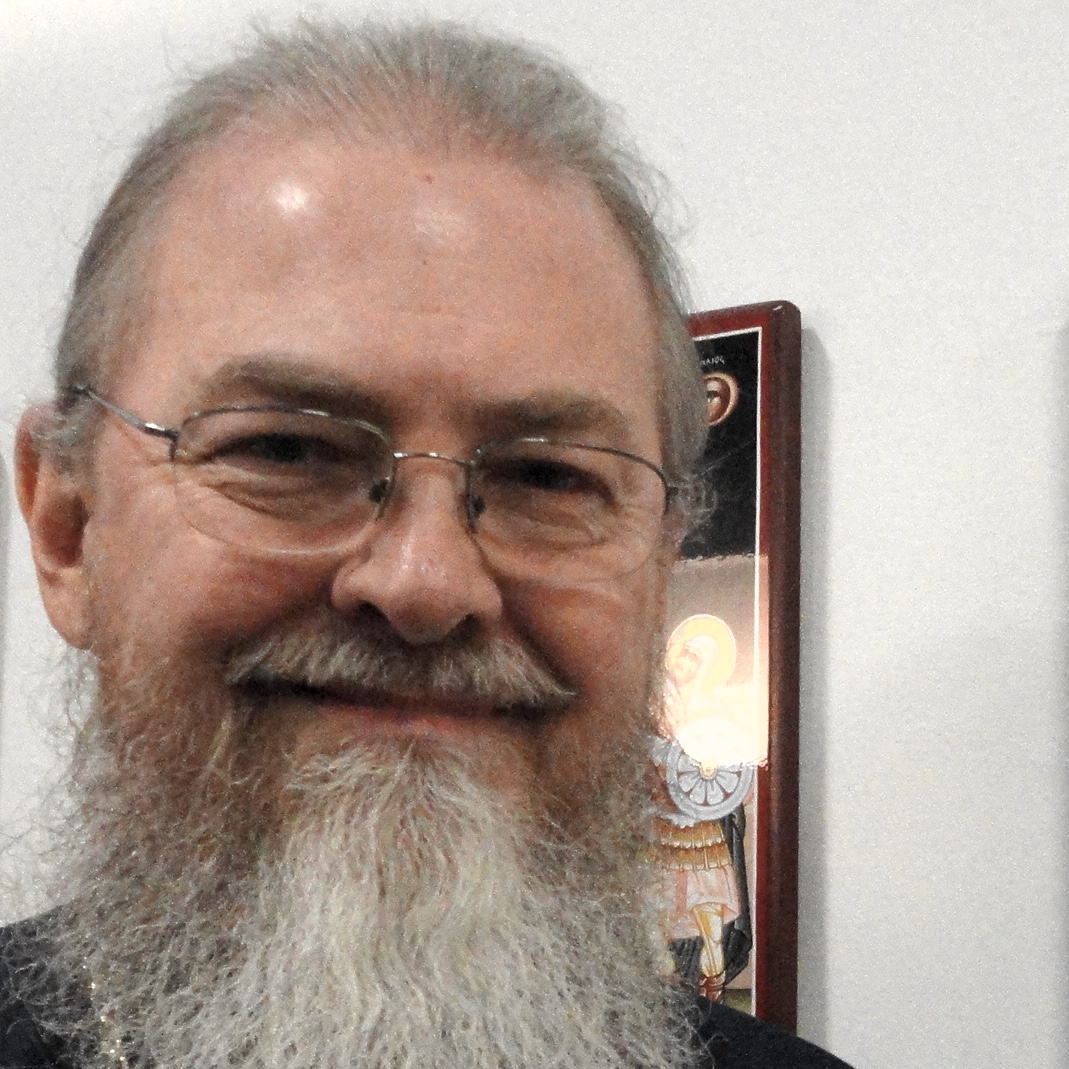 Fr. Steven Ritter