
We celebrate today the Translation of the Relics of St John Chrysostom in 434. The relics were taken from Cappadocia where St John had been exiled and died in 407 to Constantinople where he had served as Archbishop. Relics are the physical remains of saints after they have died, either incorruptible (that is, not decayed) or decayed. Clothes and other objects that have been in regular contact with the saint are considered secondary relics. This Christian respect for relics probably began with deep respect for the bodies of martyrs. As Father John Anthony McGuckin has pointed out, “Martyrs were felt to have such great power of heavenly intercession (that is, the power to pray to God for others) that many Christians wanted to be buried next to them, ready for the last day…. Every altar [in both Greek and Latin churches] today has the relic of a saint placed within it.” However, it is important to remember the distinction between worship (latreia) that is “reserved only for God [and] veneration (douleia) that can legitimately be given to God’s saints through their holy relics” [Westminster Handbook to Patristic Theology, pp. 291-292].
During the summer of 2009 Khouria Sylvia and I and our daughter Kathy had the privilege of worshiping beside the incorrupt bodies of three Russian Orthodox saints at the Church of the Holy Spirit in Vilnius, the capital of Lithuania. The Synaxarion of the Lives of the Saints of the Orthodox Church [14 April] tells us that these three holy martyrs, the brothers Antony and John and their father, Eustathius, had been “pagans [who] worshiped fire but were then drawn by the priest Nestor to come “to the knowledge of the Truth and secretly received baptism [and] abandoned all their pagan practices….[They] were then hung from [a huge] oak tree [and killed] by the pagan king, Prince Olgerd in 1347. Christians came by night to bury their bodies….Two years later [Christians] cut down the oak that had been their gallows and build a church there” on the site where worship continues today. There was a strong sense of peace within the church; and on going to Holy Communion, each worshiper paused to kiss the glass box above the heads of the saints. Relics can have the power to transmit their holiness to other places and living people.
In the midst of the immense respect now given to both the teachings and relics of St John Chrysostom, we should remember that John was a humble human being, born in Antioch of Christian parents about the year 345. It was in Antioch that he was baptised at the age of 18, became a deacon at the age of 36 and then a priest at the age of 41. John was appointed Archbishop of Constantinople in 398; and later became known as “Chrysostom” which means “golden mouth” because of the beauty and power of his sermons. The Synaxarion [for November 21st] notes that “his preaching was based on Holy Scripture. He loved to explain the literal meaning of the sacred text and show the coherence [that is, the connections in] the divine plan that [Scripture] revealed, but always with reference to the immediate [challenges] of the Christian life.”
St John proved to be a remarkably competent, but also controversial archbishop. As The Synaxarion explains, St John reduced “the usual episcopal standard of living to the barest necessities. He sold the goods and treasures of the archbishopric and gave the proceeds to the poor or for building hospital and hospices for strangers…. He would go to visit the sick and prisoners in person and help the poor and needy…. Vigils were often kept in the churches [of his archdiocese] so that people who were at work during the day could come to pray in the peaceful hours of the night. Indeed, [St] John urged everyone to rise from sleep [in order] to devote some part of the night to prayer. He composed the prayers of the Holy Liturgy [in the fourth century]” which became the foundations of the Divine Liturgy linked to his name that we continue to celebrate today.
In preparing my own sermons, I have consistently found that the insights and prayers of St John are often inspirational. Consider, for example, his preaching on the reading today from St Paul’s First Epistle to Timothy, chapter 4, verses 9 to 15. As we have just heard, St Paul had written to St Timothy: “Let no one despise your youth, but set the believers an example in speech and conduct, in love, in faith, in purity…. Attend to the public reading of scripture, to preaching, to teaching. Do not neglect the gift you have…. Practice these duties, devote yourself to them, so that all may see your progress. Take heed to yourself and to your teaching; hold to that, for by so doing you will save yourself and your hearers.”
St John Chrysostom addressed his congregation with these words: “If you are willing, you will have more success with each other then I can have. For you … are with one another for a longer time, and you know more than [I know] of each other’s [lives]. Further, you are not ignorant of each other’s failings; and you have more freedom of speech and love and intimacy. These are no small advantages for teaching, but great and opportune [that is, highly suitable] moments for [teaching]. You will be more able than [I am] both to reprove and exhort [that is, to point out someone’s faults and to advise them sincerely]. And not this only, but because I am but one, whereas you are many … you will be able, however many, to be teachers. Therefore, I [urge] you, do not ‘neglect this gift.’”
Those words from St John apply to all of us today. We can each pray and read the Bible and come to Vespers and the Divine Liturgy and learn how to receive the guidance of the Holy Spirit for each present and sacred moment in our lives. We can grow as a Christian community and rejoice together in our progress as we find out and live out the unique gifts that each of us have received from the Lord. So:
Let us love one another, that with one mind we may confess Father, Son and Holy Spirit, the Trinity, One in essence and undivided. Amen.
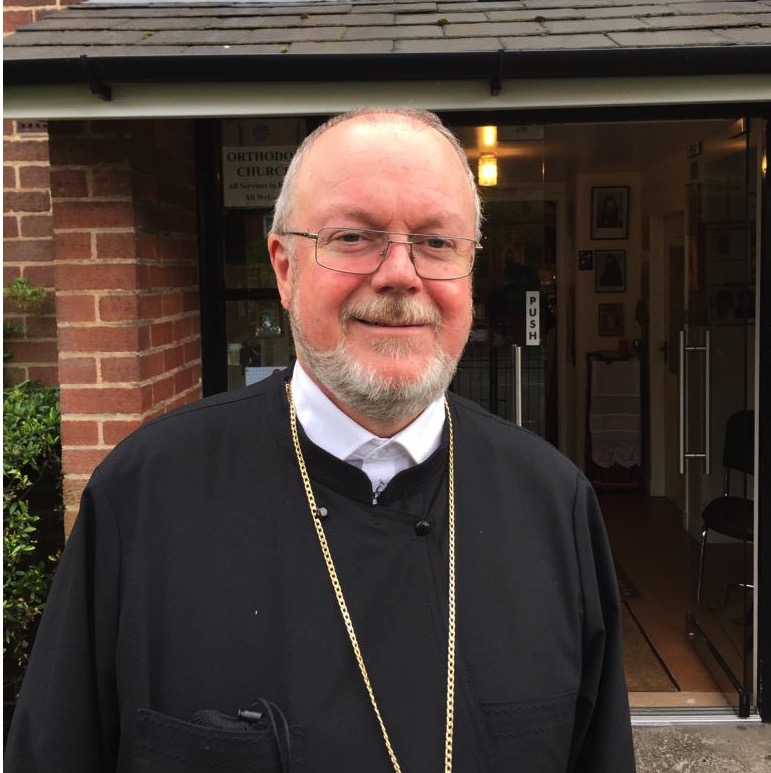 Archpriest Gregory Hallam
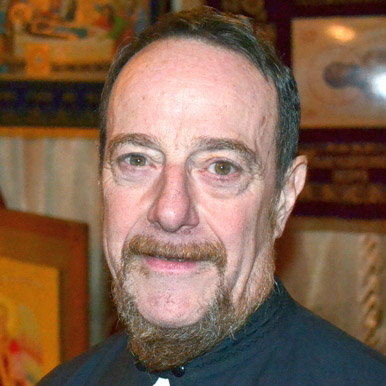 Fr. Emmanuel Kahn